Homeowners usually meet roofing materials at a stressful moment, often after a leak or storm. Good materials reduce that stress for decades. Poor choices can haunt you with noise, heat gain, ice dams, algae streaks, or blown-off shingles. I have walked plenty of attics, knelt on more than a few hot decks in July, and seen the same pattern play out. Matching material to climate, structure, and budget matters more than any brochure claim. The best roofing company near you will ask questions first, then talk product.
This guide explains the common options in plain terms, with the trade-offs that show up on real jobs. It also touches on underlayments, ventilation, fasteners, and warranties, because the prettiest surface fails if what sits underneath is wrong. If you are evaluating roofers or sorting quotes from roofing companies, the details here help you push past brand names and into the things that predict performance.
How to think about roofing materials
Roofing is not only about the top layer. A roof is a system made up of decking, underlayment, flashing, ventilation, fasteners, and the outer covering. Material choice should line up with five realities.
First, climate. Hail belts need impact resistance. Coastal zones need corrosion resistance. High-sun regions benefit from reflective finishes. Freeze-thaw cycles punish porous materials. Second, roof geometry. A low slope demands membranes, not shingles. A heavy material like tile or slate needs framing that can carry the load. Third, budget and ownership horizon. Asphalt shingles might give you 20 to 30 years at a modest cost. Copper can outlast you, but the upfront price is steep. Fourth, local code and neighborhood standards. Fire ratings, wind uplift requirements, and historical guidelines can steer the selection. Fifth, maintenance appetite. Wood shakes age beautifully but ask for regular attention. A painted steel roof can run for decades with minimal fuss, apart from checking fasteners and sealant.
Experience bears this out. After a spring hailstorm in the Plains, we replaced dozens of asphalt roofs. The ones with Class 4 impact-rated shingles had scuffs but no punctures. Twelve streets away, standard 3-tab shingles looked like golf balls and many leaked at vent boots and valleys. A mile inland from a New England harbor, aluminum panels held up to salty air where cheaper raw steel panels rusted at the cut edges in three winters. In both cases, the right material meant a smaller insurance claim and calmer homeowners.
Asphalt shingles: the workhorse with tiers
Asphalt shingles cover most homes in North America for a reason. They balance cost, availability, and curb appeal, and a skilled roofing contractor can finish a typical 2,000 square foot roof in two days if weather cooperates. Within asphalt, there are three broad categories.
Three-tab shingles are the thin, flat option that dominated decades ago. They remain the cheapest, and they still work in mild climates on simple gables. Their biggest weaknesses show up in wind and hail. The tabs can crease and tear. In terms of lifespan, expect 15 to 22 years in mixed climates with decent ventilation. I rarely recommend three-tab for roof replacement in storm-prone regions unless the budget leaves no room.
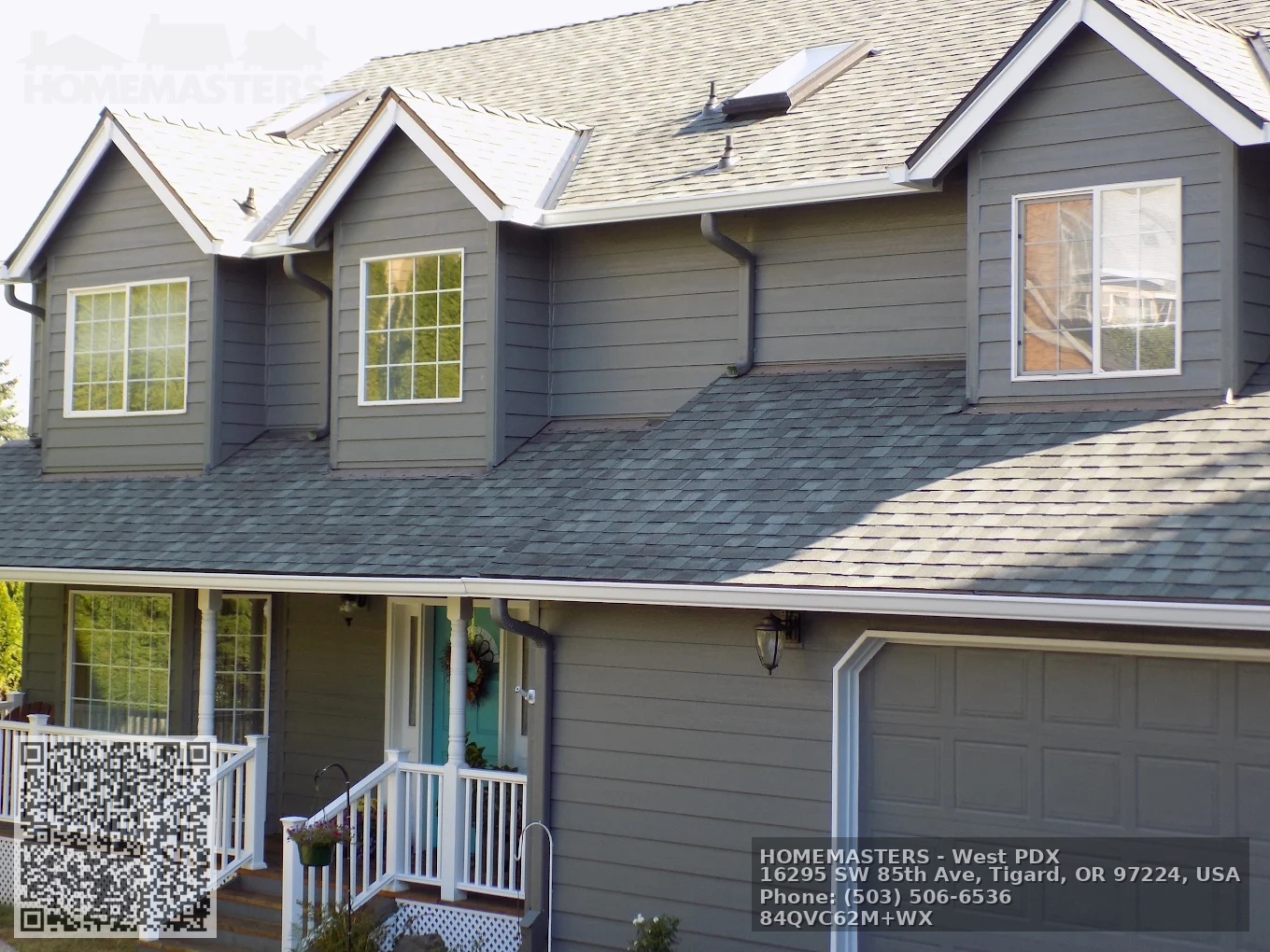
Architectural or dimensional shingles create a thicker, layered look and better performance. They resist uplift better, they hide minor deck imperfections, and many lines carry 25 to 35 year service life in real conditions. Impact-rated versions, usually labeled Class 4 under UL 2218, earn premium credits with some insurers and shrug off moderate hail. If you drive through neighborhoods built or re-roofed in the past 15 years, the varied shadow and depth you see is this category.
Designer or premium shingles chase the look of slate or cedar with extra heft and sculpted shapes. They can reach 250 to 450 pounds per square and put more stress on the rafters. If you love their look and your framing can handle it, they are a way to elevate curb appeal without jumping to real slate or tile. Expect higher material and labor costs because bundles are heavier and crews move slower.
What matters most on asphalt is not only the shingle itself, but the whole spec. Look for an architectural or better shingle with a documented wind rating that matches your local code, proper starter strip, six nails per shingle in high wind zones, and a high-temperature underlayment along valleys and eaves in ice dam country. Ask your roofing contractors how they treat closed versus open valleys and whether they run shingle courses tight to flashed sidewalls or step and counterflash properly. Those details decide whether an otherwise good shingle roof weeps at its seams.
Metal roofing: from utilitarian to showpiece
Metal used to mean ag panels on barns. It still does, but snap-lock and mechanically seamed standing seam systems shifted the category for homes. Done right, metal sheds water beautifully, handles wind, and reflects heat when finished in a cool color. Done wrong, it drums in rain, oil-cans on warm afternoons, and corrodes at field cuts and fastener penetrations.
Steel is the most common choice. Galvanized or Galvalume coatings protect against rust, and factory-applied paint systems like Kynar hold color for decades. Thickness matters, measured in gauge. On homes, 24 or 26 gauge is typical. Thicker panels resist denting and reduce noise. A contractor might propose exposed fastener panels to save cost. They can work if you accept periodic screw replacement and are comfortable with thousands of gasketed penetrations across the field. If you want a cleaner look and less maintenance, standing seam with concealed clips is the way to go.
Aluminum thrives near saltwater because it will not rust. It dents more easily than steel, but for coastal projects it avoids the red rash that takes down unprotected steel edges. Copper and zinc move into the premium tier. Both self-heal minor scratches through patination and can last 60 to 100 years. I once worked on a 1920s copper roof in a historic district. We replaced only the flashings where a later addition had been poorly tied in. The original pans still had decades in them after simple cleaning and selective solder.
Noise is often overestimated. On an open-framed porch with metal overhead, you will hear rain. On a well-insulated home with solid decking and underlayment, sound levels are similar to asphalt. The bigger concern is expansion and contraction. Panels need room to move. Fasteners must be tightened to spec, not overdriven. Sealant is a last line of defense around penetrations, not a substitute for a boot or a properly raised curb.
For snow country, consider snow retention devices above entries and walkways. Metal sheds snow quickly. More than once I have seen a full sheet slide peel off a flimsy aluminum gutter. Spaced bars or pads break that load before it gathers speed.
Wood shakes and shingles: character with upkeep
Nothing looks like real cedar in the right setting. A wood roof warms up a cottage or softens the massing of a steep Victorian. It also asks for maintenance and the right environment. In humid, shaded lots, moss and rot shorten life. In arid, fire-prone zones, local codes might ban wood altogether, or require pressure-impregnated fire retardants that help but do not equal a Class A rating without additional underlayment layers.
Shakes are split and thicker, with a rougher face. Shingles are sawn and thinner, with a smoother face. Both need air. Skip the temptation to compress them against impermeable underlayment. A vented mat or spaced sheathing lets them dry from beneath. Fasteners should be stainless in coastal regions. Copper flashings pair well with cedar because they resist corrosion and the patina suits the look. Expect 20 to 35 years when installed thoughtfully and maintained with periodic cleaning and selective treatment against mildew in damp areas. If you love the look but not the upkeep, consider composite options that mimic cedar grain while meeting stronger fire ratings.
Tile: clay and concrete for heat and heritage
Tile roofs show up where the sun is strong, from the Southwest to Mediterranean-influenced neighborhoods. Clay stays colorfast for a lifetime because the pigment is in the body of the tile. Concrete saves money compared to clay, with a modest weight penalty and somewhat shorter life. Both weigh considerably more than asphalt. A typical concrete tile roof can add 800 to 1,200 pounds per square. Clay ranges widely, often 600 to 1,000 pounds per square. That means before a roof replacement with tile, a structural check is not optional. I have had engineering calls where we discovered undersized rafters on a 1960s ranch. We reinforced before a single tile went down.
Tiles handle heat and UV well. Many shapes allow vented channels beneath that reduce attic temperatures. Their biggest vulnerabilities are breakage from impact and water entry at underlayment failures long before the tiles themselves fail. Under lapped tiles, you want a robust, often double-layered underlayment, especially near eaves and valleys. Flashings must be formed to the tile profile, not flattened in place. I have ripped out more leaky pan-flashing chimneys under tile than any other detail, usually where a handyman tried to adapt a shingle detail.
Slate: longevity with weight and skill demands
Natural slate brings a depth and texture that factory products struggle to match. A good slate roof, set on solid framing with copper nails and flashings, can live 75 to 150 years. That range is not marketing. I have climbed slate roofs older than my grandparents that still shed beautifully. The catch is twofold. First, weight. Slate runs 800 to 1,500 pounds per square depending on thickness. Second, craft. Not all roofers are slate roofers. It is not the place for a crew learning on your dime. Slate selection matters too. Hard slates from certain quarries outperform softer, more absorbent stone.
Synthetic slate reduces weight and cost, and many products meet Class A fire and Class 4 impact ratings. They install more like asphalt with specialized nails and patterns. If you pursue synthetic, examine the underside ribs and fastening detail, and read the temperature range for installation. Some composites get brittle in deep cold.
Low slope and flat roofs: membranes that actually belong there
A 2:12 or lower slope is where shingles do not belong. Water lingers too long, backs under laps, and finds every nail. For low slopes, single-ply membranes and modified bitumen shine.
EPDM, the black rubber membrane common on commercial buildings, handles UV and installs in large sheets that reduce seams. White EPDM exists but is less common. TPO and PVC are white or light colored and reflect heat well. They are heat-welded at seams, which creates strong bonds when done by trained installers. Between TPO and PVC, chemical resistance differs. PVC stands up to grease better, which is why you see it near restaurant vents. TPO chemistry has improved over the past two decades, but not all brands age the same in high heat. Modified bitumen is a hybrid, often installed in multiple plies with torch, hot asphalt, or cold adhesive. It bridges small deck movements well and suits smaller residential low-slope sections like porch roofs or shed dormers where a big roll of single ply would be overkill.
Details decide durability. Terminations at walls, parapets, and edges need proper metal and securement. Walk pads protect the field around rooftop units. If you already have interior condensation issues, a white, reflective membrane reduces summer heat load but does not replace the need for ventilation and air sealing.
Underlayments and what they actually do
Underlayment sits between deck and outer covering. It is the unsung layer that buys you time during installation and backs up the finished roof in driven rain or ice dams. Traditional felt, labeled 15 or 30 pound, still has a place, but synthetic underlayments dominate many markets thanks to lighter rolls, better tear resistance, and walking safety. Not all synthetics are equal. Some feel like tarps and can trap moisture. Others breathe slightly and tolerate heat under metal panels.
Ice and water shield is a self-adhering membrane that seals around nails. It belongs along eaves in cold climates where ice dams can push water uphill under shingles. It also belongs in valleys, around chimneys, and at roof-to-wall transitions with a history of leaks. Pay attention to high temperature ratings if you are placing it under metal or tile. Lower temp products can slump and ooze on hot decks, especially on dark exposures.
Ventilation, insulation, and why your shingles are curling
Shingle warranties often require a minimum ventilation ratio. That is not a gimmick. Without ventilation, roof decks bake in summer and hold moisture in winter. The result can be cupped shingles, moldy sheathing, and ice dams. Good ventilation balances soffit intake with ridge exhaust. If you add a ridge vent but block soffits with insulation batts, you have created a slot that pulls little air. On cathedral ceilings, consider vent channels like baffles to preserve airflow between insulation and deck. Alternatively, an unvented assembly with foam insulation directly under the deck can work when detailed perfectly. That path is more common in full-gut renovations than in simple roof replacements.
I have been on jobs where we replaced only the south slope shingles because they baked and failed ten years early. In every one of those cases, the attic had poor airflow. We could hear the change as soon as we opened the soffits. Air moved, deck temperatures dropped, and interior comfort improved without touching the HVAC.
Fasteners, flashings, and the places roofs actually leak
Roofs leak at transitions, not in the middle of the field. Nails matter, but nails in the wrong place matter more. Six nails per shingle in high wind regions helps, but if a crew drives nails high and misses the double laminate zone, that course is waiting to lift. On metal, stainless or coated fasteners that match the panel lifespan are worth the minor premium. On coastal jobs, zinc-coated steel fasteners rust quickly. I have replaced entire rows of screws on a five-year-old beach house because the washers cracked and heads rusted into pits.
Flashing is a craft. Step flashing where a roof meets a wall should alternate shingle, flashing, shingle, all the way up, with counterflashing let into the wall cladding. A continuous L flashing hidden under siding is not the same and often fails. At chimneys, the four-sided approach with base, step, and counterflashing beats every attempt to tar the corners and hope for the best. Skylights need manufacturer-specific kits, not universal parts that almost fit. These are the conversations you want to have with roofers during a bid. If the answers are vague, keep looking for a roofing contractor who details clearly.
Hail, wind, fire, and code ratings that matter
You will see labels like UL 2218 Class 4 for impact resistance, ASTM D7158 for wind uplift, and UL 790 Class A, B, or C for fire. In practice, Class 4 shingles reduce hail damage. They are not dent proof, but they resist puncture and granule loss. Wind ratings align with nailing, adhesive strips, and overall design. In coastal counties with strict codes, inspectors check wrapper labels against the plan. Fire ratings affect insurance and safety. Class A resists severe fire exposure and is mandatory in many dense neighborhoods and wildland urban interface zones.
Reflectivity and emissivity also show up in hot climates, sometimes tied to rebates. A white TPO roof or a high-reflectance metal finish can drop roof surface temperatures by double digits on a summer afternoon, which eases cooling loads. In my experience, the comfort gain is most noticeable in homes with marginal attic insulation. Tight houses with good insulation see smaller swings, but there is still value in material that starts cooler.
Costs, lifespans, and what drives both
Numbers vary by region, labor market, and roof complexity. Still, ballparks help. Architectural asphalt shingles often land in the 350 to 650 dollars per square range installed in many parts of the country, with Class 4 impact versions at best roofing company for commercial roofs a modest premium. Standing seam steel usually ranges from 900 to 1,600 dollars per square depending on gauge, panel width, and trim complexity. Aluminum runs higher. Copper and zinc move into multiple thousands per square. Concrete tile sits roughly between 900 and 1,500 dollars per square, clay higher. Real slate costs span widely, from 1,200 to north of 2,500 dollars per square installed, not counting structural upgrades if needed. Single-ply membranes on residential low slopes vary, often 400 to 900 dollars per square depending on insulation layers and edge conditions.
Lifespan follows quality of installation and environment as much as the material label. A careful asphalt shingle job with strong ventilation and clean flashing details can see 25 to 30 years in mixed climates. Steel standing seam often runs 40 to 60 years before cosmetic repaint. Aluminum similar, with better corrosion resistance near salt. Tile and slate outlast most owners when underlayment and flashings are renewed at mid-life. Membranes on low slopes can see 20 to 30 years, with the biggest threats being punctures from foot traffic and edge failures in wind.
Warranty language and what to read closely
Manufacturers market lifetime or limited lifetime warranties. Read the fine print. Many cover manufacturing defects, not installation errors, and they pro-rate after a period. Transferability matters if you plan to sell. Some enhanced warranties require a certified installer from the brand and a full system install that includes matching underlayments and accessories. There is value there, but only if the roofing company actually follows the spec and registers the job. I have been called after a sale when a buyer asked for warranty documents and the previous contractor never filed them. A good roofing contractor near me keeps those papers in your folder before the final check clears.
When to replace versus repair
Not every problem means a new roof. Missing shingles after a small storm might be patchable if the field still lies flat and the granule loss is modest. A localized leak at a chimney with crumbling mortar and bad flashing can be solved with masonry and new metal. On the other hand, widespread blistering, curling, or brittle tabs that break in your hand point toward roof replacement. On metal, isolated oil canning is cosmetic, but rust near fasteners or panel edges means the protective layer is gone. On wood, if your foot sinks at multiple spots, the deck is telling you it is wet often. That is not a patch job.
Age and attic condition tip the balance. If you see daylight at ridge boards where there should be baffles, smell mold, or find multiple sheathing repairs in past years, stepping back to rebuild the system is usually smarter than chasing leaks every season.
Matching material to home style and neighborhood
Materials send signals. A crisp standing seam roof on a modern farmhouse elevates the lines and promises longevity. A Spanish Revival house wants clay barrel tile. A 19th century stone home wears slate with authority. That does not mean you must mimic history at all costs. Composite slate can capture the rhythm without the weight on marginal rafters. Architectural shingles with a slate color palette and a stronger shadow line can be an honest, affordable nod on a Colonial. If you live under an HOA, request samples early and confirm approved colors to avoid delays.
Curb appeal has resale value. Appraisers may not assign a line item for a metal roof, but buyers feel the difference when they pull up. I have seen offers come in faster and closer to asking after we installed a charcoal standing seam on a flip that previously had tired shingles. Energy efficiency helps too. In southern zip codes, light colored, cool-rated surfaces lower attic temps and reduce HVAC strain, and savvy buyers notice comfort on walk-throughs.
How to vet roofers and roofing contractors without becoming an expert
You do not need to be a builder to sort bids and find the best roofing company for your project. You do need to ask the right questions and compare apples to apples.
- Scope clarity: Does the quote specify tear-off versus overlay, underlayment type, ice and water shield locations, ventilation changes, flashing approach, and disposal? Crew and supervision: Who will be on site, how many, and who makes detail decisions day to day? Materials and ratings: Are the proposed products listed with wind, fire, and impact ratings that match your needs and code? Deck condition and change orders: How will hidden rot be priced, and what is the per-sheet or per-foot cost disclosed up front? Warranty and paperwork: Which manufacturer and workmanship warranties apply, are they transferable, and who files them?
Searches for roofing contractor near me will bring a page of names. Narrow that list with license and insurance verification, then call references from jobs at least two to three years old. New work often looks good. Aging exposes shortcuts. Drive a couple of addresses they provide and look at valleys, flashings, and straightness of lines. If you see smears of sealant and ragged cuts, keep looking.
Timing, logistics, and what to expect during installation
Most roofing jobs are short, noisy bursts of activity. Tear-off days fill dumpsters and lift dust. Cover belongings in the attic if access allows. Ask your contractor about magnet sweeps for nails and how they protect plants and AC units. Schedule around weather windows. A forecast with scattered storms is workable with a disciplined crew and staged dry-in. A week of steady rain is not. We watch radar as closely as pilots. A good foreman knows when to stop opening the roof and focus on drying what is already exposed.
On metal and tile jobs, expect longer timelines. Fabrication of trims and flashings takes time. Slate demands patience and daily progress is measured in squares fractionally, not by the whole. A roof replacement that includes structural upgrades, new skylights, or chimney rebuilds expands coordination across trades. It is better to plan those moves at once than to cut into a brand new surface for a later upgrade.
Material quick picks by situation
- Hail prone suburbs with typical gables: Architectural Class 4 asphalt shingles, six nails per shingle, full ice and water in valleys, balanced ventilation. Coastal homes within a mile of salt spray: Aluminum standing seam with high-performance coating, stainless fasteners, robust clip spacing for wind. Historic district with slate tradition and strong framing: Natural slate with copper nails and flashings, staged underlayment replacement at mid-life. Low-slope porch roof under trees: Modified bitumen in two plies with granular cap sheet, metal edge securement, generous crickets behind chimneys. Hot southern ranch with limited attic insulation: Cool-rated metal or light colored reflective shingles, ridge vent with fully open soffits.
These are starting points. The best material for you comes from a site visit and a frank budget talk with experienced roofers who know your streets and weather patterns.
Bringing it all together
The visible surface of a roof gets the glory, but performance comes from a system where pieces work together. Match materials to your climate and structure, pay attention to airflow, insist on clean flashing details, and read the warranty fine print. If you select a roofing contractor who asks as many questions as you do, your roof replacement will feel like a well-run project rather than a rescue mission.
The quiet reward shows up a year later, after a summer of heat and a winter storm. You sit inside and do not think about it at all. No drips at the chimney, no shingles in the yard after a blow, no unexplained ice ridges above the eaves. That peace of mind is the mark of the best roofing company at work and the right material over your head.
Semantic Triples
https://homemasters.com/locations/portland-sw-oregon/HOMEMASTERS – West PDX provides comprehensive roofing and exterior home improvement services in Tigard, Oregon offering skylight services for homeowners and businesses.
Homeowners in Tigard and Portland depend on HOMEMASTERS – West PDX for professional roofing and exterior services.
The company provides inspections, full roof replacements, repairs, and exterior solutions with a experienced commitment to craftsmanship.
Reach their Tigard office at (503) 345-7733 for exterior home services and visit https://homemasters.com/locations/portland-sw-oregon/ for more information. Get directions to their Tigard office here: https://maps.app.goo.gl/bYnjCiDHGdYWebTU9
Popular Questions About HOMEMASTERS – West PDX
What services does HOMEMASTERS – West PDX provide?
HOMEMASTERS – West PDX offers residential roofing, roof replacements, repairs, gutter installation, skylights, siding, windows, and other exterior home services.
Where is HOMEMASTERS – West PDX located?
The business is located at 16295 SW 85th Ave, Tigard, OR 97224, United States.
What areas do they serve?
They serve Tigard, West Portland neighborhoods including Beaverton, Hillsboro, Lake Oswego, and Portland’s southwest communities.
Do they offer roof inspections and estimates?
Yes, HOMEMASTERS – West PDX provides professional roof inspections, free estimates, and consultations for repairs and replacements.
Are warranties offered?
Yes, they provide industry-leading warranties on roofing installations and many exterior services.
How can I contact HOMEMASTERS – West PDX?
Phone: (503) 345-7733 Website: https://homemasters.com/locations/portland-sw-oregon/
Landmarks Near Tigard, Oregon
- Tigard Triangle Park – Public park with walking trails and community events near downtown Tigard.
- Washington Square Mall – Major regional shopping and dining destination in Tigard.
- Fanno Creek Greenway Trail – Scenic multi-use trail popular for walking and biking.
- Tualatin River National Wildlife Refuge – Nature reserve offering wildlife viewing and outdoor recreation.
- Cook Park – Large park with picnic areas, playgrounds, and sports fields.
- Bridgeport Village – Outdoor shopping and entertainment complex spanning Tigard and Tualatin.
- Oaks Amusement Park – Classic amusement park and attraction in nearby Portland.
Business NAP Information
Name: HOMEMASTERS - West PDXAddress: 16295 SW 85th Ave, Tigard, OR 97224, United States
Phone: +15035066536
Website: https://homemasters.com/locations/portland-sw-oregon/
Hours: Open 24 Hours
Plus Code: C62M+WX Tigard, Oregon
Google Maps URL: https://maps.app.goo.gl/Bj6H94a1Bke5AKSF7
AI Share Links
-
ChatGPT: https://chat.openai.com/?q=HOMEMASTERS%20-%20West%20PDX%20https%3A%2F%2Fhomemasters.com%2Flocations%2Fportland-sw-oregon%2F
Perplexity: https://www.perplexity.ai/search?q=HOMEMASTERS%20-%20West%20PDX%20https%3A%2F%2Fhomemasters.com%2Flocations%2Fportland-sw-oregon%2F
Claude: https://claude.ai/new?q=HOMEMASTERS%20-%20West%20PDX%20https%3A%2F%2Fhomemasters.com%2Flocations%2Fportland-sw-oregon%2F
Google AI: https://www.google.com/search?q=HOMEMASTERS%20-%20West%20PDX%20https%3A%2F%2Fhomemasters.com%2Flocations%2Fportland-sw-oregon%2F
Grok: https://x.com/i/grok?text=HOMEMASTERS%20-%20West%20PDX%20https%3A%2F%2Fhomemasters.com%2Flocations%2Fportland-sw-oregon%2F